
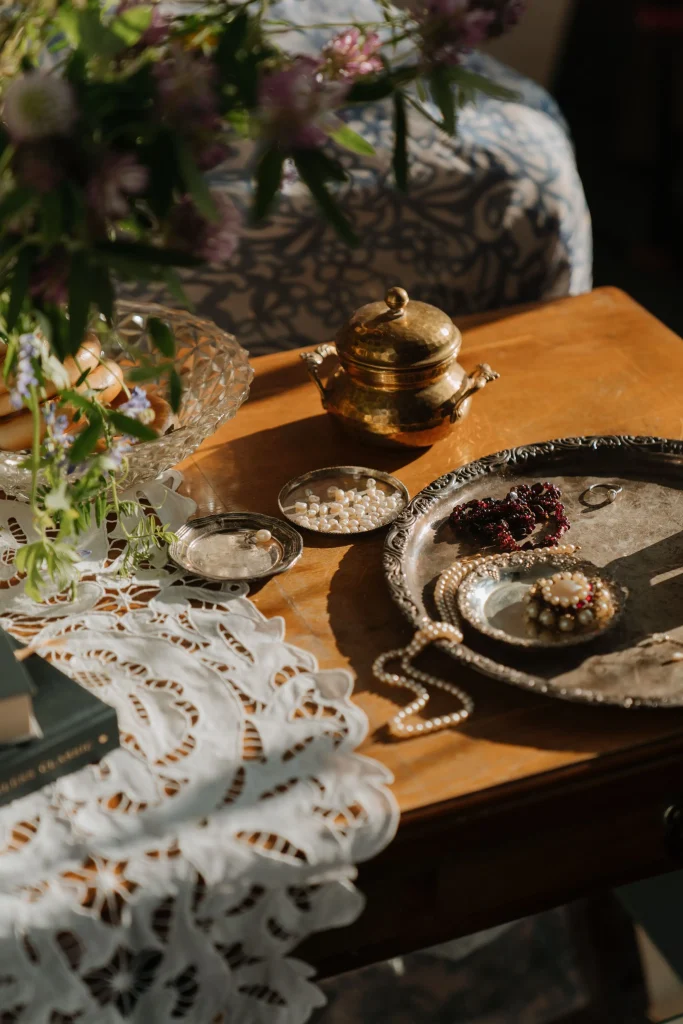
There is something deeply personal about family heirlooms. They may not be valuable in a financial sense, but they hold history, and can hold great sentimental value. A china set brought out only at Christmas. A cabinet handmade by a grandfather. Boxes of silverware, crystal, figurines or furniture that once symbolised pride and tradition.
For many people in their 70s and beyond, these items represent love, effort and legacy. So when the time comes to ask children or grandchildren if they would like them – and the answer is no – it can feel surprisingly painful.
It is important to pause here and acknowledge something gently: a “no” is not a rejection of you or your memories. It is often simply a reflection of modern homes, smaller spaces, and different lifestyles.
So what can you do when treasured heirlooms no longer have a place within the family?
Start with conversation
Before making decisions, have open conversations. Sometimes younger family members feel hesitant to accept large items because they do not have space right now. Others may not realise the story behind a piece. Sharing its history can occasionally change perspective – but not always. And that is okay. You are not responsible for convincing anyone to take something they cannot realistically keep.
Separate the memory from the object
An heirloom carries a story, but the story does not live only inside the object. Consider photographing the item nicely, writing down its history, or recording yourself telling its story, and passing on a small piece instead of the whole set.
A 40-piece dinner set may not fit into a modern apartment, but one teacup, accompanied by a handwritten note, might. In many cases, preserving the story is far more powerful than preserving the object.
Choose one meaningful recipient
Rather than asking broadly, you may decide to gift an item intentionally, to one person who feels aligned with it. Sometimes removing the “who wants this?” question and replacing it with “I would love for you to have this” provides clarity and relief. If no one feels connected to it, that is valuable information too.
Consider donation with purpose
There are many places where heirlooms can find new life, like historical societies such as local museums, theatre companies (to use for costume or props), charities who support families in need, or collectors and antique dealers. Knowing an item will be appreciated and used can soften the decision to let it go.
Sell without guilt
If an heirloom holds financial value, but no family interest, selling it is not disrespectful. It can provide funds to support your next chapter – whether that is downsizing, travel, medical needs, or enhancing your comfort. Legacy does not disappear simply because an item changes hands.
Release with peace
Sometimes the most freeing choice is to let something go entirely. Objects served their purpose in your life. They witnessed celebrations, milestones and ordinary days. They were loved, that’s what matters. Holding onto something out of obligation – especially when preparing to downsize or move into care – can create unnecessary stress for you now, and for your children later. Making clear, calm decisions while you are able is a kindness to everyone involved.
A thoughtful approach to letting go
It can be helpful to remind yourself that your true legacy is not your furniture, china or keepsakes. It is the way you loved. The lessons you taught. The resilience you modelled. The memories you created.
Heirlooms are symbols of that life – but they are not the life itself.
If you are navigating this stage and finding it emotionally complex, know that you are not alone. With a gentle, respectful process, decisions about heirlooms can feel less overwhelming and far more empowering.
Sometimes letting go is not about loss. It is about making space for the next chapter – for you and for those you love.